Finding the right speech therapist for a child is an important decision for parents. Communication affects much more than the ability to pronounce words. It can influence how a child expresses needs, understands others, participates in school, interacts with family members, develops social relationships, and becomes more independent.
When parents search online for the Best Child Speech Therapist in Ahmedabad, they may find many clinics and therapy options. However, choosing the right professional should not be based only on location, online ratings, or the number of services offered. The therapist's qualifications, assessment approach, experience with children, individualized goals, parent involvement, and progress monitoring are all important factors.
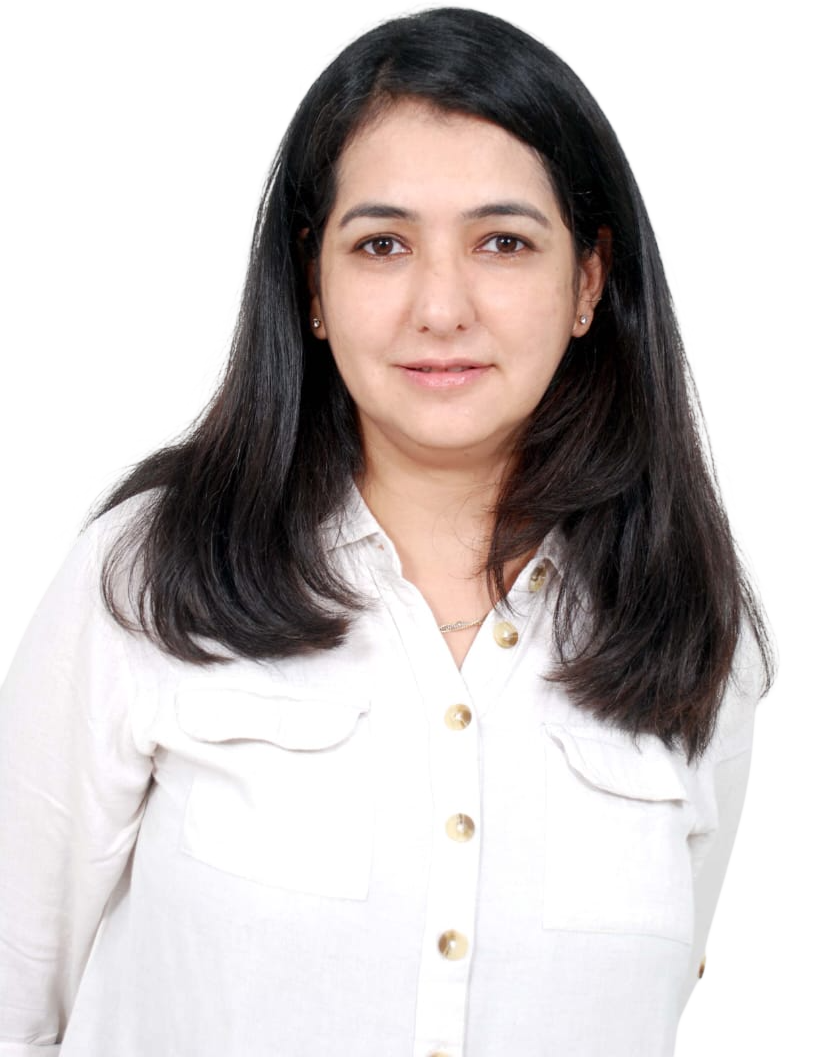
At Kalp Clinic in Shyamal, Ahmedabad, Dr. Prabha Harwani (PT) – Paediatric Therapist and the child-focused team provide individualized developmental and paediatric therapy support based on each child's needs.
This guide explains what parents should consider when selecting a child speech therapist and how to identify a therapy approach that is appropriate for their child.
Why Choosing the Right Child Speech Therapist Matters
Children can experience different types of communication difficulties. One child may have difficulty producing certain sounds, while another may struggle to understand language, form sentences, communicate socially, or use communication effectively in daily situations.
Speech and language development should therefore be looked at individually rather than using a one-size-fits-all approach.
Professional assessment can consider:
- Speech sound development
- Understanding of language
- Expressive language
- Vocabulary development
- Sentence formation
- Conversation skills
- Social communication
- Fluency
- Voice
- Feeding or swallowing-related communication concerns when relevant
- Functional communication at home and school
The American Speech-Language-Hearing Association (ASHA) recommends comprehensive assessment that considers the child's communication abilities, developmental history, family information, observations, and other relevant factors.
What Does a Child Speech Therapist Do?
A child speech therapist, commonly known as a speech-language pathologist or speech-language therapist depending on the professional system, works with children who have communication-related difficulties.
Therapy may address areas such as:
- Speech clarity
- Language development
- Vocabulary
- Sentence construction
- Understanding instructions
- Conversation
- Social communication
- Fluency
- Voice
- Alternative or augmentative communication when appropriate
- Feeding and swallowing-related skills when within the professional's scope
The exact therapy approach depends on the child's assessment and goals.
This is why parents should look for a professional who understands paediatric speech therapy rather than choosing a provider simply because they advertise general speech services.
Start With an Assessment, Not a Treatment Package
One of the most important questions parents should ask is:
"How will you assess my child before starting therapy?"
A quality assessment should help identify the child's strengths, challenges, communication needs, and appropriate therapy goals.
Depending on the child's age and concerns, an assessment may involve:
- Parent or caregiver interview
- Developmental history
- Observation of communication
- Understanding of spoken language
- Expressive language assessment
- Speech sound assessment
- Play-based interaction
- Social communication
- Functional communication
- Review of school concerns
- Hearing-related considerations
- Referral to another professional when required
ASHA describes speech and language assessment as a process that can integrate case history, family interviews, observation, communication measures, and relevant information from teachers or other professionals.
Parents should be cautious about a therapy plan that is recommended without first understanding what the child actually needs.
Check the Therapist's Paediatric Experience
Working with children requires a different approach from working with adults.
Children may respond better to therapy when activities are developmentally appropriate, engaging, and connected to their interests.
When evaluating a child speech therapist in Ahmedabad, ask about experience with:
- Toddlers
- Preschool children
- School-age children
- Speech sound difficulties
- Language development
- Social communication
- Neurodevelopmental conditions
- Children with multiple developmental needs
- Communication difficulties associated with autism
- Children who need additional educational or behavioural support
Experience should be considered alongside appropriate professional qualifications and the therapist's ability to explain the proposed approach clearly.
Look for Individualized Speech Therapy Goals
A strong therapy program should have goals that are meaningful for the individual child.
For one child, the first goal may be increasing functional vocabulary. For another, it may be improving speech clarity. Another child may need support with conversation, following instructions, or communicating at school.
Individualized goals may include:
- Using words to request preferred items
- Improving pronunciation of specific sounds
- Increasing vocabulary
- Building longer sentences
- Understanding questions
- Following instructions
- Improving conversational turn-taking
- Developing storytelling skills
- Improving social communication
- Communicating more independently
ASHA emphasizes individualized intervention based on the child's needs, language background, learning characteristics, and ongoing progress.
Consider Your Child's Home Language
This is particularly important for families in Ahmedabad and Gujarat, where children may regularly hear and use more than one language.
A child who speaks Gujarati at home and is exposed to Hindi or English in school may have a multilingual language environment.
Parents should not automatically assume that using multiple languages causes a language disorder.
Assessment should consider the child's linguistic and cultural background. ASHA specifically highlights the importance of culturally and linguistically appropriate assessment and distinguishing communication disorders from normal language differences.
When choosing a therapist, ask:
- Can the therapist understand my child's home language?
- How will multiple languages be considered during assessment?
- How can parents support communication across home and school environments?
- Will therapy recommendations fit our family's everyday communication?
This can help make therapy more practical and meaningful.
Ask How Progress Will Be Measured
Parents should know how they will understand whether therapy is helping.
Instead of relying only on statements such as "Your child is improving," ask about measurable goals.
Progress may be monitored through:
- Number of functional words used
- Ability to follow instructions
- Speech sound accuracy
- Sentence length
- Ability to answer questions
- Conversation participation
- Communication during play
- Classroom communication
- Ability to communicate needs independently
Regular progress reviews allow therapy goals to be adjusted when necessary.
ASHA's early-intervention guidance emphasizes documenting outcomes, monitoring progress, and revising intervention plans when appropriate.
Understand the Difference Between Speech and Language
Parents often use "speech delay" as a general term, but speech and language are not exactly the same.
Speech involves aspects such as producing sounds clearly and coordinating the physical processes involved in speaking.
Language involves understanding and using words, sentences, meanings, and communication.
A child may therefore have:
- Speech sound difficulties
- Receptive language difficulties
- Expressive language difficulties
- Mixed communication difficulties
- Social communication challenges
- Fluency difficulties
Understanding this distinction can help parents ask more specific questions about their child's needs.
Don't Choose a Therapist Based Only on "Speech Delay"
The keyword Speech Delay Treatment for Kids is commonly searched by parents, but speech delay can describe many different communication patterns.
Two children with apparently similar speech concerns may have completely different underlying needs.
For example:
Child A: Uses several words but has difficulty pronouncing certain sounds.
Child B: Understands language but uses very few words.
Child C: Has difficulty both understanding instructions and expressing thoughts.
Child D: Speaks but struggles significantly with social communication.
Their therapy goals may therefore be very different.
This is why a proper assessment should come before selecting a long-term therapy program.
Consider the Clinic's Overall Child Development Approach
Sometimes communication difficulties occur alongside other developmental concerns.
A child may also experience difficulties related to:
- Fine-motor development
- Gross-motor development
- Attention
- Behaviour
- Sensory processing
- Learning
- Social interaction
- Oro-motor skills
- Daily living skills
In such situations, communication therapy may be one part of a broader developmental support plan.
A Best Child Development Center in Shyamal Ahmedabad can be particularly useful for families who need access to multiple paediatric services or coordination between different areas of development.
What Role Does Parent Participation Play?
Parents are not expected to become speech therapists at home. However, they can play an important role in creating communication opportunities throughout the day.
A therapist may suggest simple strategies such as:
- Talking about everyday activities
- Reading age-appropriate books together
- Giving the child opportunities to make choices
- Expanding the child's words into short phrases
- Using play to encourage communication
- Allowing adequate time for the child to respond
- Following the child's interests during interaction
- Reducing unnecessary pressure to repeat words
ASHA's early-intervention guidance describes family participation as an important component of communication support and encourages intervention strategies that can be incorporated into everyday routines.
Early Support Can Be Valuable
Parents sometimes delay seeking help because they believe a child will "start talking soon."
Children do develop at different rates, and developmental milestones should not be treated as rigid deadlines. The CDC describes milestones as skills that most children achieve by particular ages and emphasizes that milestone checklists are communication tools rather than absolute developmental standards.
However, persistent concerns should not simply be ignored.
ASHA recommends seeking help when parents are concerned about communication development and notes that early intervention can involve speech-language professionals as part of a broader team.
The objective is not to panic about every variation. It is to understand the child's communication profile and determine whether professional support would be useful.
Check Whether the Therapist Looks at Functional Communication
The ultimate purpose of speech therapy is not simply to make a child repeat words during a session.
Functional communication means helping children use communication in everyday situations.
For example, therapy may work toward helping a child:
- Ask for something they need
- Tell parents what they want
- Answer questions
- Participate in conversations
- Communicate at school
- Interact during play
- Express feelings
- Follow instructions
- Tell a simple story
- Communicate more independently
This functional approach can make therapy goals more meaningful for both children and families.
Consider the Therapy Environment
A child-friendly environment can make a significant difference in participation.
When visiting a Best Paediatric Therapy Center Ahmedabad, parents can observe whether:
- The child feels comfortable
- Activities are age-appropriate
- The therapist communicates respectfully
- The session encourages participation
- Parents can ask questions
- Therapy goals are explained clearly
- Progress is discussed regularly
A supportive environment should encourage children rather than make them feel that communication is a test they can fail.
Questions to Ask Before Choosing a Child Speech Therapist
Before beginning therapy, parents can ask:
- What type of communication difficulty does my child appear to have?
- What assessment will be conducted?
- What are my child's strengths?
- What therapy goals would you recommend?
- How will progress be measured?
- How often should progress be reviewed?
- What can we practice at home?
- How will my child's home language be considered?
- Will you coordinate with other therapists or teachers if required?
- When should the therapy plan be reassessed?
The quality of the answers can tell parents a lot about the therapist's approach.
When Should Parents Consider a Hearing Evaluation?
Hearing can influence communication development, so hearing concerns should not be overlooked.
Parents may discuss hearing assessment with an appropriate healthcare professional or audiologist when a child:
- Does not consistently respond to sounds
- Does not respond when called
- Frequently asks others to repeat themselves
- Has a history of recurring ear problems
- Appears not to understand spoken communication
- Has speech or language concerns alongside possible hearing difficulties
ASHA notes that hearing screening may be part of the evaluation process when speech or language difficulties are suspected.
Why Choose Kalp Clinic for Child Speech Therapy in Ahmedabad?
For families searching for Best Child Speech Therapist in Ahmedabad, the priority should be individualized assessment, child-focused care, appropriate therapy planning, and meaningful progress.
Kalp Clinic, located in Shyamal, Ahmedabad, Gujarat, provides child development and paediatric therapy services under the guidance of Dr. Prabha Harwani (PT) – Paediatric Therapist.
The clinic's broader paediatric therapy environment can support children who have communication concerns alongside developmental, behavioural, motor, learning, or functional challenges.
Parents can discuss their child's individual needs and understand whether Speech Delay Treatment for Kids in Ahmedabad or another form of communication support may be appropriate.
The focus should always remain on the child's individual strengths, challenges, communication needs, and everyday participation.
FAQs About Child Speech Therapy
1. How do I choose the best child speech therapist in Ahmedabad?
Look for an appropriately qualified professional with paediatric experience, a clear assessment process, individualized therapy goals, regular progress monitoring, and a willingness to involve parents in the child's communication development.
2. Is speech therapy only for children who are not talking?
No. Speech therapy can support a wide range of communication needs, including speech sound difficulties, language development, understanding and expressing language, social communication, fluency, and other communication-related challenges.
3. Can a bilingual or multilingual child need speech therapy?
Yes, a multilingual child can have a genuine speech or language difficulty, but multilingual exposure itself should not be assumed to be the cause. Assessment should consider all of the child's languages and their communication environment.
4. How long does speech therapy take for children?
There is no single duration that applies to every child. The timeline depends on the type and severity of the communication difficulty, the child's individual goals, participation, and progress. Regular reassessment can help determine whether goals or therapy frequency should change.
5. Can parents help improve their child's communication at home?
Yes. Parents can support communication through everyday conversations, shared reading, play, choices, responsive interaction, and strategies recommended by the child's therapist. Consistency in natural daily routines can complement professional therapy.
Choosing the Best Child Speech Therapist in Ahmedabad should be about much more than finding the closest clinic or searching for the highest-rated service.
Parents should look for a professional who takes time to understand the child, conducts an appropriate assessment, recognizes individual strengths, creates meaningful communication goals, monitors progress, and works with families.
For children requiring Speech Delay Treatment for Kids, the right approach can vary considerably from one child to another. Speech, language, social communication, hearing, development, and the child's everyday environment may all need to be considered.
At Kalp Clinic in Shyamal, Ahmedabad, Dr. Prabha Harwani (PT) – Paediatric Therapist provides individualized paediatric therapy support with a child-focused approach.
If you are concerned about your child's communication, discussing your observations with an appropriate professional can help you understand the next steps instead of relying on assumptions or comparisons with other children.
Kalp Clinic
Shyamal, Ahmedabad, Gujarat, India
Website: www.kalpclinics.com
Dr. Prabha Harwani (PT) – Paediatric Therapist